






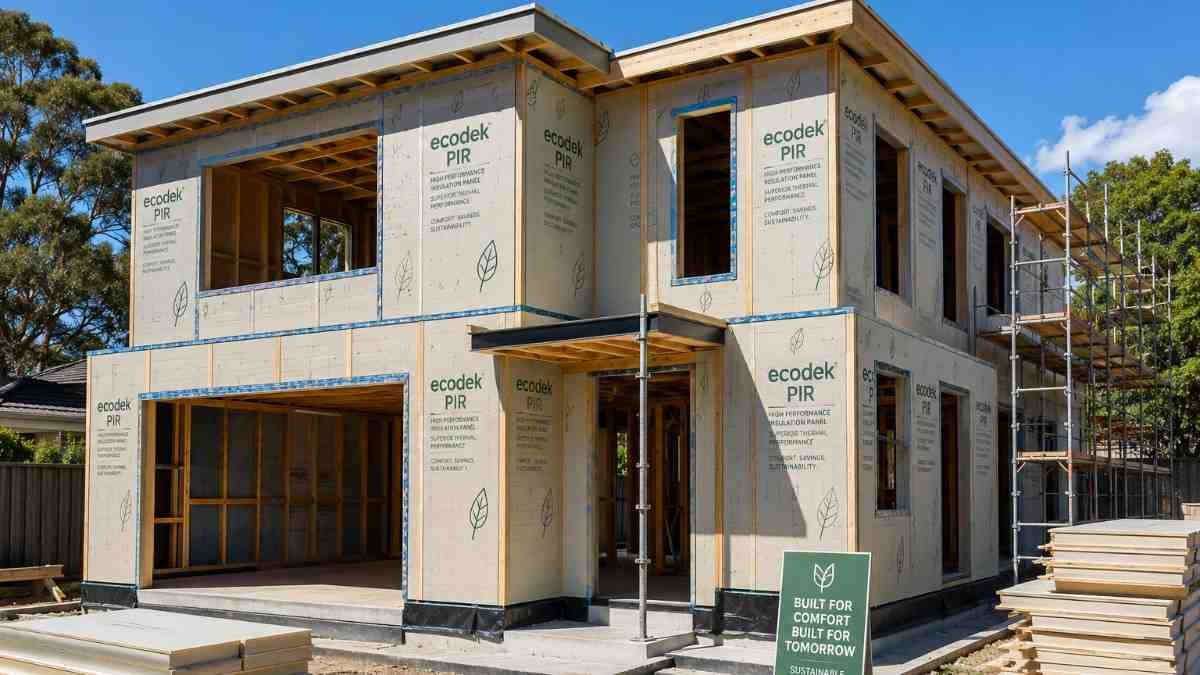
PIR wall panels have become a crucial component in modern construction, valued for their outstanding thermal performance and structural benefits. As energy efficiency continues to gain importance, building materials like PIR wall panels offer innovative solutions for both commercial and residential projects.
This article explores the benefits and various applications of PIR wall panels within the construction sector.
What Are PIR Wall Panels?
PIR stands for polyisocyanurate, a type of rigid foam insulation material used in wall panels. These panels consist of a PIR foam core sandwiched between two layers of metal or other protective facing materials.
Their design allows for effective insulation, durability, and ease of installation. The PIR Wall Panel is widely recognised for delivering superior thermal resistance compared to traditional insulation materials.
Thermal Efficiency and Energy Savings
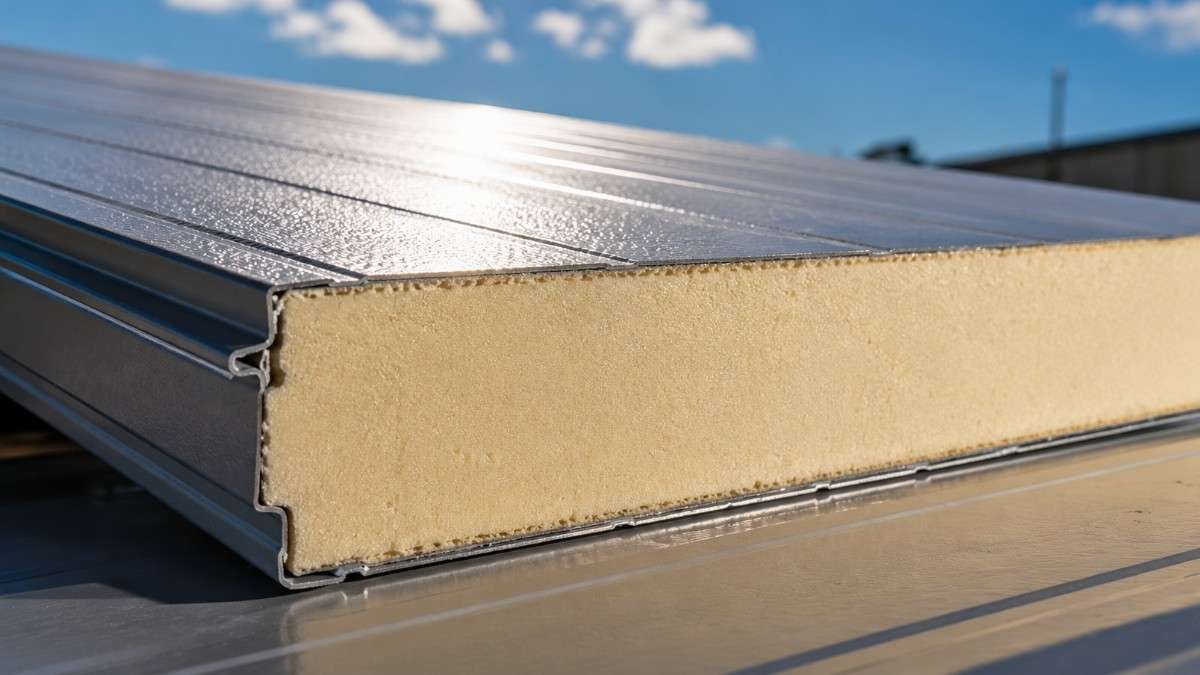
One of the primary advantages of PIR wall panels is their high thermal resistance. The panels have a low thermal conductivity value, which means less heat is lost during colder months and less heat enters a building during warmer weather.
This results in a significant reduction in energy consumption for heating and cooling systems, making PIR wall panels an environmentally friendly choice and contributing to lower utility bills.
Durability and Fire Performance
PIR wall panels are manufactured to meet stringent fire safety standards, providing enhanced fire resistance. Unlike some other insulation materials, PIR foam is self-extinguishing and produces minimal smoke in case of a fire, improving building safety.
Additionally, the panels demonstrate long-term durability, resisting moisture, rot, and corrosion when appropriately installed, which ensures the longevity of the building envelope.
Structural Strength and Stability
Besides insulation, PIR wall panels add structural strength to buildings. The rigid foam core reinforces the panels, and the facing materials provide rigidity and resistance to external forces.
This feature allows PIR wall panels to be used in a range of building types, from commercial warehouses to residential homes, providing support in addition to insulation.
Ease of Installation
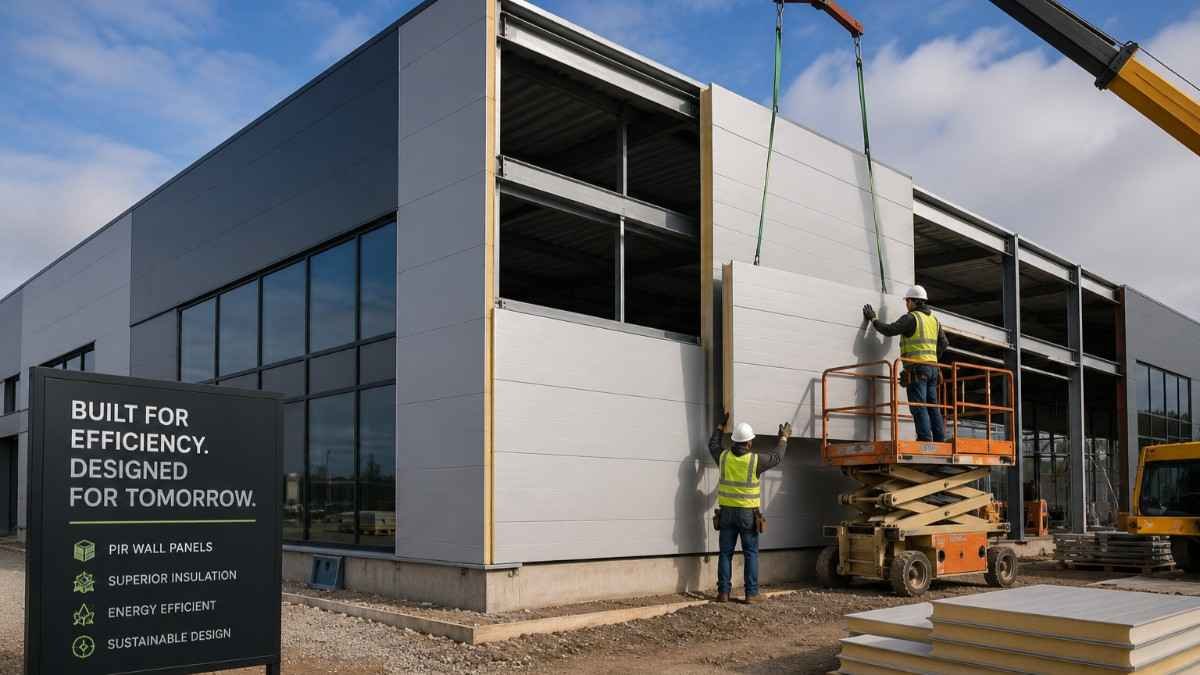
The design of PIR wall panels facilitates a straightforward installation process. Their pre-fabricated nature means they arrive on site ready to be fixed, reducing construction time and labour costs. The panels come in standard sizes that can be cut and shaped as needed, fitting diverse project specifications and making them a practical option for builders seeking efficiency.
Versatility in Applications
PIR wall panels are suitable for a wide range of applications. In industrial and commercial buildings, they are frequently used for external cladding and internal partition walls, helping to regulate indoor climates efficiently.
Residential construction benefits from PIR wall panels in both new builds and retrofit projects, improving insulation performance without significant structural changes.
Use in Cold Storage Facilities
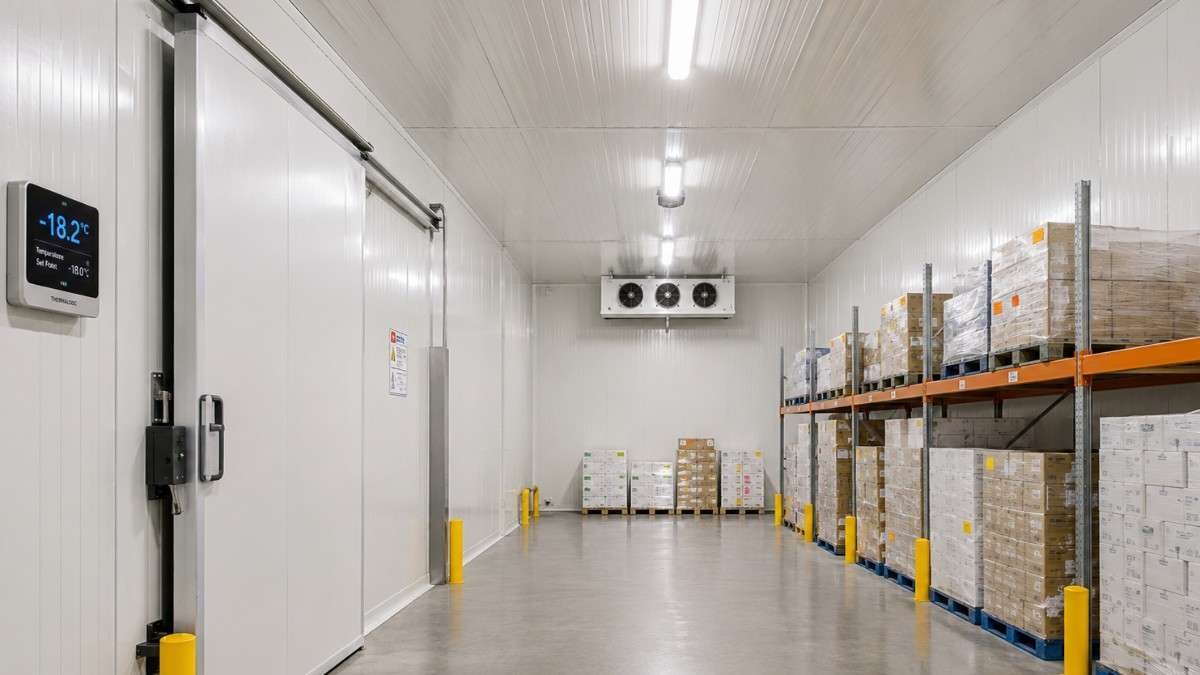
The exceptional insulation offered by PIR wall panels makes them ideal for cold storage construction, where maintaining low temperatures is critical. Their ability to prevent heat gain or loss ensures temperature consistency, reducing operational costs and preserving perishable goods effectively.
Commercial and Industrial Buildings
In commercial premises such as offices, retail outlets, and warehouses, PIR wall panels contribute to creating comfortable indoor environments while enhancing energy efficiency. The panels’ durability ensures they withstand the demands of industrial use without compromising performance.
Residential Applications
For residential properties, PIR wall panels enable improved energy efficiency, aiding in compliance with building regulations and sustainability targets. They offer homeowners a means to reduce heating costs and carbon footprints, aligning with broader environmental objectives.
Environmental Impact and Sustainability
PIR wall panels contribute positively to sustainability efforts. Their high insulating properties mean buildings require less energy for climate control, reducing greenhouse gas emissions. Furthermore, many PIR panels are produced with environmentally responsible practices and can often be recycled, supporting circular economy principles.
Compliance with Building Regulations
Building regulations increasingly demand higher energy efficiency and fire safety standards. PIR wall panels meet and often exceed these requirements, making them a reliable choice for architects and developers seeking compliance while delivering high-performance buildings.
The panels assist in achieving certifications such as BREEAM and LEED by contributing to energy savings and building safety.
Cost-Effectiveness Over Time
While the initial investment in PIR wall panels may be higher compared to some traditional insulation materials, the long-term benefits outweigh the upfront costs.
Energy savings, reduced maintenance, and enhanced building lifespan combine to deliver economic advantages. Energy-efficient buildings also tend to have higher market value, providing additional financial incentives.
Considerations for Choosing PIR Wall Panels
Selecting the appropriate PIR wall panel requires consideration of factors such as panel thickness, facing materials, and structural requirements.
Consulting with manufacturers and suppliers ensures that the panels selected meet project-specific needs and regulatory criteria. The availability of various finishing options allows integration with architectural designs.
Maintenance and Longevity
PIR wall panels demand minimal maintenance, thanks to their resistance to moisture, pests, and corrosion. Regular inspections and appropriate upkeep of external facings ensure the panels continue to perform effectively over time. Proper installation and sealing are critical to avoiding thermal bridging and maintaining insulation integrity.
Future Trends in PIR Wall Panel Use
With ongoing advancements in materials technology, PIR wall panels continue to evolve, offering improved performance and sustainability. Innovations aim to reduce environmental impact further and accommodate more customised applications.
The growth of green building initiatives is expected to drive broader adoption of PIR wall panels in various construction sectors.
Where to Source Quality PIR Wall Panels
Reliable supply is critical for construction projects. Companies specialising in building supplies offer a wide range of PIR wall panels tailored to different needs. The PIR Wall Panel collection is an example of a comprehensive selection that supports various construction requirements, backed by technical expertise and quality assurance.
Conclusion
PIR wall panels represent a versatile and efficient solution for modern construction challenges. Their superior insulation, fire resistance, durability, and ease of installation make them suitable for various building types and applications.
In the context of rising energy costs and stricter building regulations, PIR wall panels offer an effective means to enhance building performance, reduce environmental impact, and ensure safety. Selecting quality PIR wall panels from trusted suppliers maximises the benefits, contributing significantly to sustainable and cost-effective construction practices.