






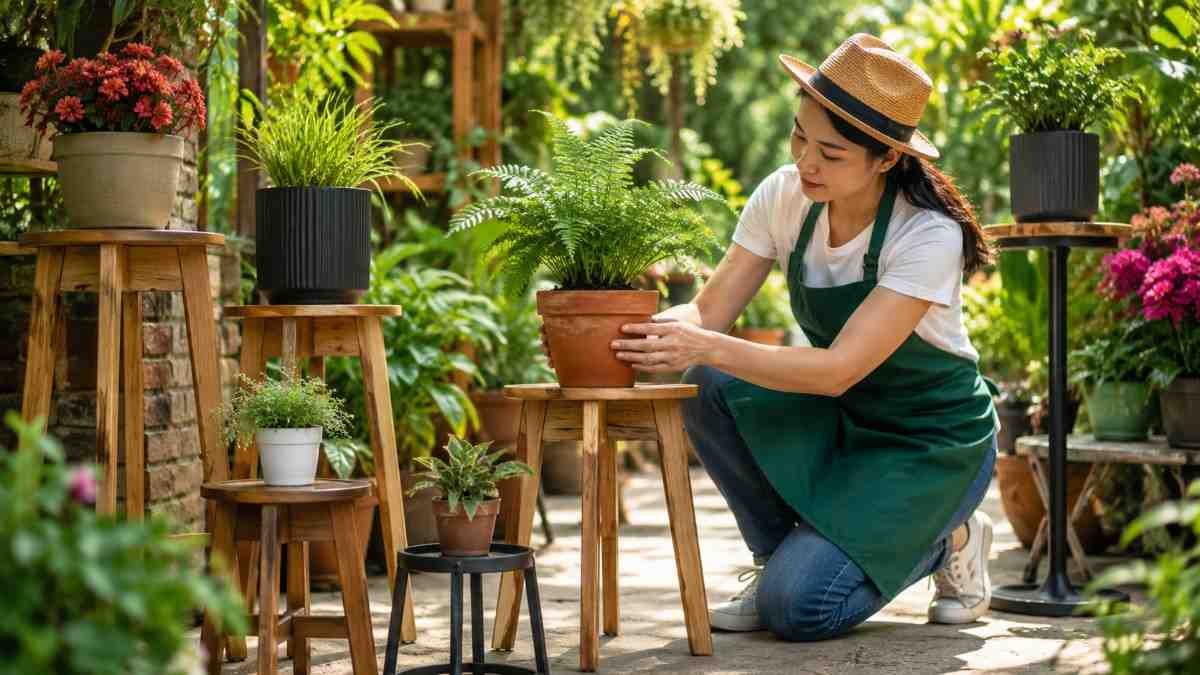
Gardening enthusiasts and homeowners alike understand the value of creating an attractive outdoor space. The way plants are displayed can significantly influence the aesthetic appeal of a garden or patio. Plant stands offer an excellent solution for elevating plants off the ground, enabling better visual presentation and improved plant health. This article explores the benefits of plant stands and how they can enhance any garden setting.
What Are Plant Stands?
Plant stands are structures designed to hold pots and plants, often elevating them for better display and care. They come in various sizes, materials, and designs, suitable for both indoor and outdoor use. By raising plants off the ground, plant stands promote better air circulation around pots, reducing risks of mould and pests.
Benefits of Using Plant Stands in Gardens
Using plant stands in a garden offers numerous practical and aesthetic advantages. Firstly, they add varying heights and dimensions to a garden layout, preventing a flat, monotonous look. Elevating plants also makes them more accessible for watering, pruning, and general care, reducing strain on gardeners.
Plant stands help to maximise space, especially in smaller gardens or balconies, by allowing vertical arrangements. This vertical gardening approach enables more plants in limited areas, contributing to a lush garden environment without overcrowding.
Improved Plant Health and Maintenance
One of the significant advantages of using plant stands is improved plant health. The elevation prevents waterlogging by enhancing drainage, decreasing the risk of root rot. It also allows sunlight to reach more parts of a plant, aiding in photosynthesis.
Proper airflow around pots is critical in preventing fungal diseases and pest infestations. Plant stands help achieve this by lifting pots off damp surfaces and providing space for air movement.
Types of Plant Stands
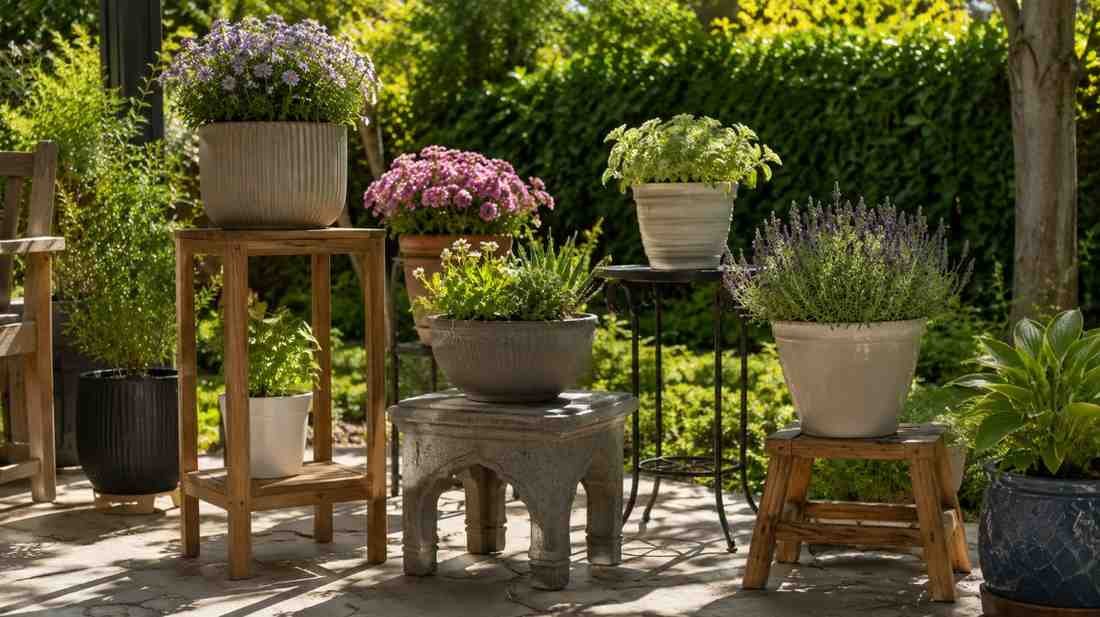
Plant stands are available in various materials including wood, metal, plastic, and stone. Each material has distinct features and suitability based on the garden’s style and climate.
Wooden Plant Stands
Wooden stands add a natural aesthetic that complements most garden themes. They are sturdy, eco-friendly, and can be painted or stained for a personalised finish. However, untreated wood may deteriorate in wet conditions, so choosing treated or sealed wood is advisable for outdoor use.
Metal Plant Stands
Metal stands are popular for their durability and modern appearance. They are resistant to weather and can support heavier pots. Powder-coated finishes help prevent rust and corrosion, making them ideal for outdoor gardens.
Plastic and Resin Stands
Plastic stands are lightweight and affordable, often designed with intricate patterns. They withstand moisture well but may be less durable under intense sun exposure, prone to fading or brittleness over time.
Stone and Cement Plant Stands
Stands made of stone or cement provide a sturdy and classic look. Their weight ensures stability, making them suitable for larger plants. However, their heaviness can limit repositioning.
Incorporating Plant Stands into Garden Design
To create a visually pleasing garden, plant stands should be carefully selected and arranged. Combining different heights adds depth and interest to the garden space. For instance, taller stands can feature striking foliage plants, while smaller stands hold flowering varieties.
Colour coordination between plant stands and pots can enhance the overall harmony of the garden. Neutral tones generally blend well with most plants, while vibrant colours can create focal points.
Using Plant Stands to Define Garden Zones
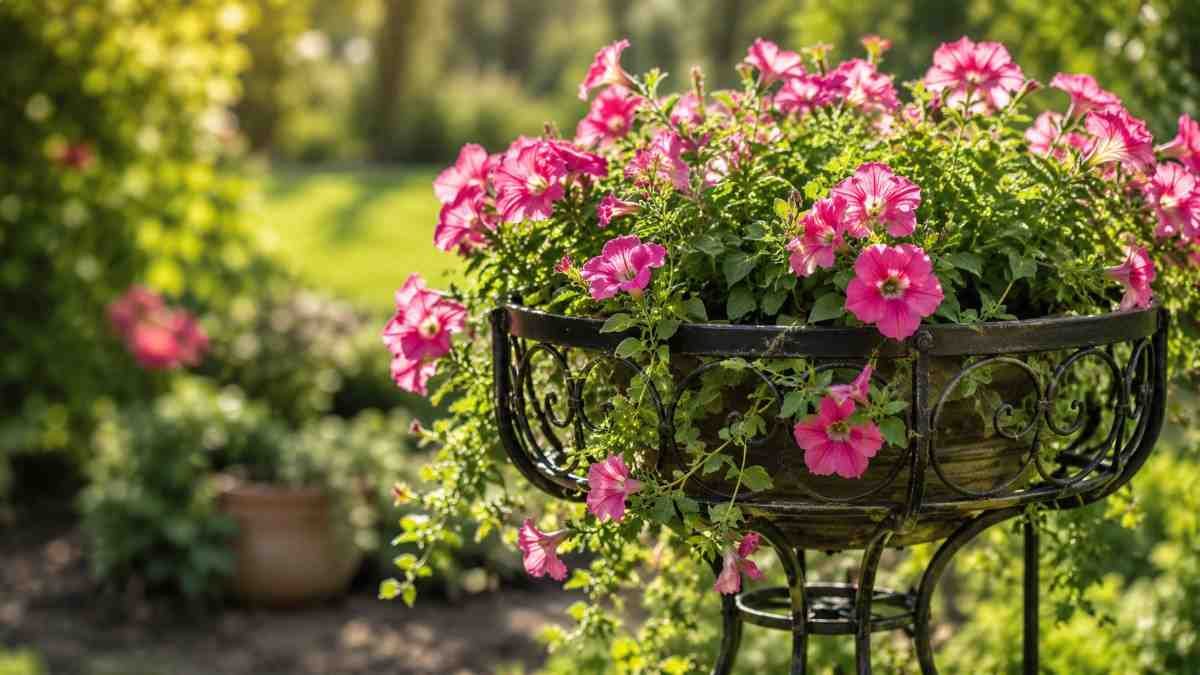
Plant stands can be used to delineate areas within a garden, such as seating spaces or pathways. Arranged thoughtfully, they can guide visitors’ eyes and movement through the garden, contributing to the space’s functionality and charm.
Maintenance Tips for Plant Stands
Maintaining plant stands is key to ensuring their longevity and appearance. Wooden stands should be regularly checked for signs of rot and treated accordingly. Metal stands benefit from protective coatings to prevent rust, while plastic should be cleaned of dirt to avoid deterioration.
It is important to clean plant stands periodically to prevent build-up of soil or pests. During adverse weather conditions, moving portable stands to sheltered spots can extend their lifespan.
Where to Find Quality Plant Stands
Quality and appropriate plant stands can be sourced from specialised garden furniture and accessory suppliers. For those seeking a wide range of options, including robust and stylish units, exploring online retailers provides convenience and variety. One reliable source for sturdy and versatile plant stands is Aussieshadehouses, which offers durable products catering to garden and outdoor spaces.
Conclusion
In summary, plant stands are a practical and stylish addition to any garden, enhancing both functionality and aesthetics. They elevate plants for better health, maximise garden space, reduce stress and bring calm and contribute to a visually diverse plant display. With various materials and designs available, plant stands can complement any garden theme effectively.
Regular maintenance ensures their longevity, making them a worthwhile investment for garden enthusiasts. For quality selections, consider exploring reputable suppliers that offer a range of plant stands adapted to different environments and needs.