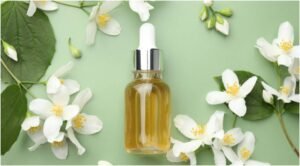






Why Did I Start Using Jasmine Oil Uses for Skin in My Routine?
I didn’t start using jasmine oil because of a trend. I started because my skin felt dry, dull, and honestly a little tired. No matter how many creams I tried, my skin still looked dehydrated by the end of the day.
That’s when I came across jasmine oil uses for skin and decided to test it in my nighttime routine. I didn’t expect dramatic results overnight, but within a week, my skin felt softer, calmer, and noticeably more hydrated.
What surprised me most was how lightweight it felt. Unlike heavy creams, jasmine oil didn’t sit on my skin. It absorbed quickly and made my face feel balanced instead of greasy.
What Makes Jasmine Oil Uses for Skin So Effective?
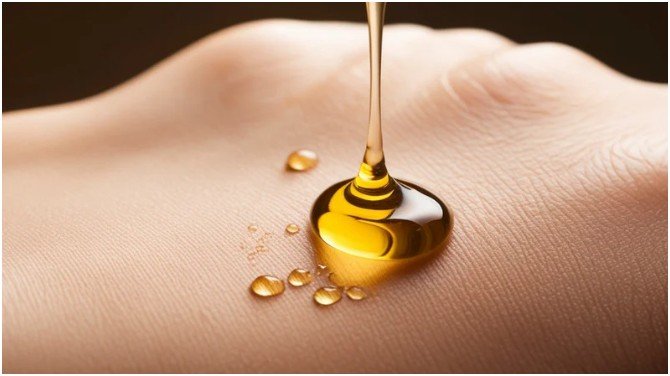
Jasmine oil works differently compared to regular moisturizers. It doesn’t just add hydration. It helps your skin hold onto moisture by strengthening the skin barrier.
I noticed that my skin stopped feeling tight after washing my face. That’s because jasmine oil acts as a natural emollient. It seals in hydration and prevents moisture from escaping.
It also contains antioxidants, which protect your skin from daily stress like pollution and sun exposure. Over time, this helps reduce the appearance of fine lines and keeps your skin looking fresh.
How Do I Use Jasmine Oil Uses for Skin Every Day?
I keep my routine simple because consistency matters more than complexity. I usually use jasmine oil at night when my skin repairs itself.
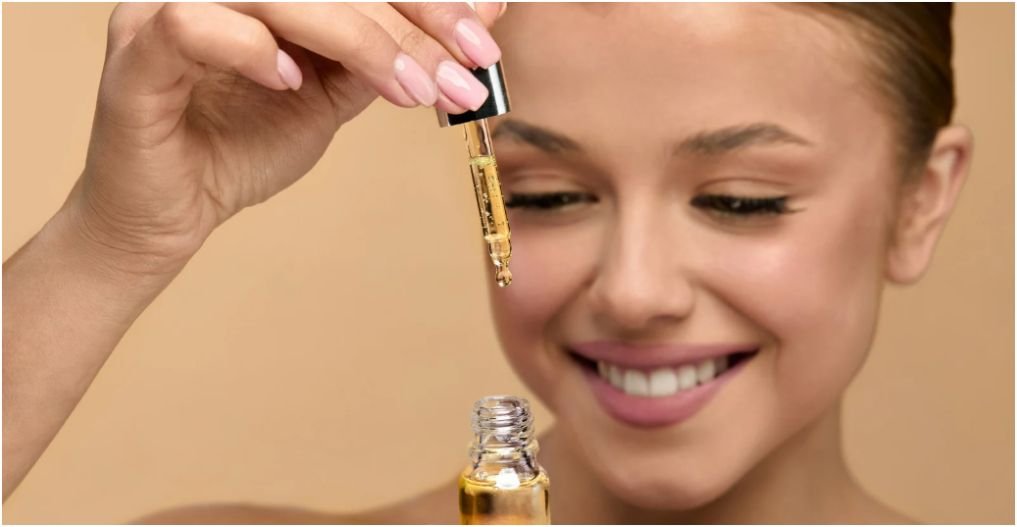
After cleansing, I leave my skin slightly damp. Then I mix one or two drops of jasmine oil with a carrier oil like jojoba. I gently press it into my skin instead of rubbing.
Some nights, I add a drop to my moisturizer. This works great when my skin feels extra dry. It boosts hydration without making my routine feel heavy or complicated.
Can Jasmine Oil Help with Dry Skin, Acne, and Aging?

I noticed the biggest difference in dryness first. My flaky areas around the nose and cheeks started smoothing out within days.
Jasmine oil also helped balance my skin. It has antimicrobial properties, which means it helps reduce acne-causing bacteria while keeping oil levels stable. My breakouts became less frequent and healed faster.
For aging skin, the antioxidant content plays a big role. It protects against environmental damage and supports skin repair. My skin looks more even and slightly firmer since I started using it regularly.
How to Make My “Midnight Glow” Serum Using Jasmine Oil Uses for Skin

This is my favorite part of the routine. I created a simple overnight serum that feels luxurious but takes less than five minutes to make.
First, I sanitize a small dark glass dropper bottle. Then I pour in about two tablespoons of jojoba or sweet almond oil as the base.
Next, I add 4–6 drops of jasmine oil and two drops of vitamin E oil. I gently roll the bottle between my palms to mix everything evenly. I let it sit for about 24 hours before using it.
At night, I apply 2–3 drops on damp skin and press it into my face and neck. If my skin feels extra dry, I layer a light moisturizer on top. By morning, my skin feels soft, smooth, and refreshed.
Which Carrier Oil Works Best with Jasmine Oil?
Choosing the right carrier oil made a big difference in my results. Each oil adds something unique depending on your skin needs.
| Carrier Oil | Best For | Skin Type |
| Jojoba Oil | Balancing hydration | All skin types |
| Sweet Almond Oil | Gentle nourishment | Sensitive, dry skin |
| Argan Oil | Anti-aging support | Mature skin |
| Coconut Oil | Deep moisture repair | Very dry skin |
I personally prefer jojoba oil because it feels closest to my skin’s natural oils. It hydrates without clogging pores, which makes it perfect for daily use.
What Are the Best Ways to Use Jasmine Oil Beyond Face Care?
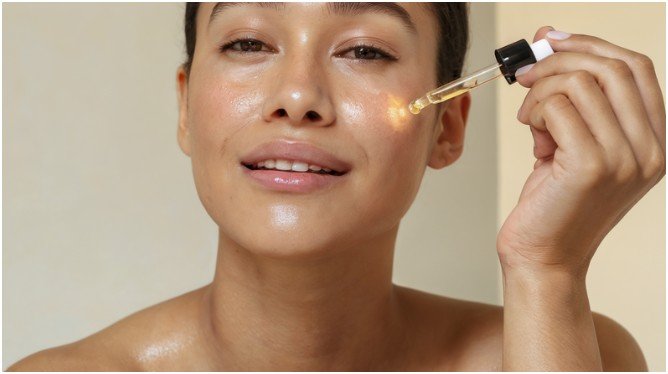
I started using jasmine oil for more than just my face once I saw how effective it was.
I add a few drops to my body lotion for extra hydration, especially during colder months. It keeps my skin soft without needing heavy creams.
Sometimes, I mix it into a bath with a carrier oil. This creates a relaxing experience while hydrating my skin at the same time. It feels like a mini spa night at home.
Are There Any Safety Tips I Always Follow?
I never apply jasmine oil directly to my skin without diluting it. It’s very concentrated, and using it alone can cause irritation.
Before I started using it regularly, I did a patch test on my arm. I waited 24 hours to make sure my skin reacted well.
If you have sensitive skin or any medical condition, it’s always smart to check with a professional before adding new oils to your routine.
Key Takeaways
Jasmine oil uses for skin go beyond simple hydration. It helps repair the skin barrier, lock in moisture, and improve overall skin texture.
I found that using it consistently in a simple routine made the biggest difference. Small steps like mixing it with a carrier oil or adding it to moisturizer can completely change how your skin feels.
The “Midnight Glow” serum became my go-to because it combines hydration, repair, and ease in one step.
FAQs About Jasmine Oil Uses for Skin
1. Can I apply jasmine oil directly to my face?
No, I always dilute it with a carrier oil first. Pure jasmine oil feels too strong and may irritate your skin if you apply it directly.
2. How often should I use jasmine oil on my skin?
I use it every night, but you can start with 3–4 times a week. Consistency matters more than frequency.
3. Is jasmine oil good for acne-prone skin?
Yes, it helps balance oil and fight bacteria. I noticed fewer breakouts when I used it regularly in a diluted form.
4. How long does it take to see results?
I started noticing softer skin within a few days. For visible glow and texture improvement, it took about 2–3 weeks of consistent use.
Is Jasmine Oil Uses for Skin Worth the Hype or Just Another Trend?
Honestly, I had my doubts at first. I’ve tried enough skincare products to know that not everything lives up to the hype.
But jasmine oil earned a permanent spot in my routine because it actually works. It doesn’t require a complicated process or expensive products. It just needs consistency and the right application.
If your skin feels dry, dull, or unbalanced, this might be one of the simplest changes you can make. Start small, stay consistent, and pay attention to how your skin responds.
And here’s my personal tip—apply it on slightly damp skin at night. That one habit made the biggest difference in how my skin looks and feels every morning.