




Some days, my brain feels like it opened 37 tabs and forgot where the music is coming from. On days like that, I do not always need a huge wellness routine. I need something simple, quick, and real. That is why calming scents for anxiety became part of my daily rhythm.
I started with one scent, then a second, and now I keep a small routine that fits into real life. I use it before work, during stressful afternoons, and at night when my thoughts refuse to slow down. What I love most is how easy it feels. I do not need a perfect schedule or a spa-style setup. I just need the right scent at the right moment.
Why do calming scents for anxiety work so well in real life?
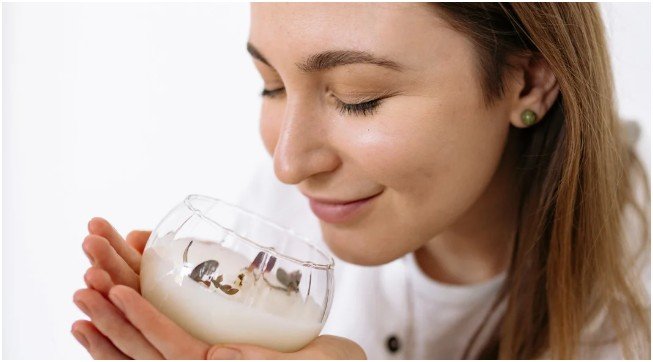
What surprised me most was how scent changes my mood faster than I expect. A calming aroma does not magically erase stress, but it can shift me out of panic mode and help me feel more in control. That matters a lot when anxiety shows up in the middle of ordinary life.
Scents like lavender, bergamot, and chamomile interact with the brain’s emotional center. That connection can help lower stress hormones like cortisol and support the body’s move away from that wired, fight-or-flight feeling. I notice this most when I catch myself clenching my jaw, breathing too fast, or feeling mentally scattered.
I also love that scent feels gentle. I can pair it with deep breathing, a quick walk, journaling, or a cup of tea. It does not compete with the rest of my routine. It supports it.
Which calming scents for anxiety do I actually keep in my routine?
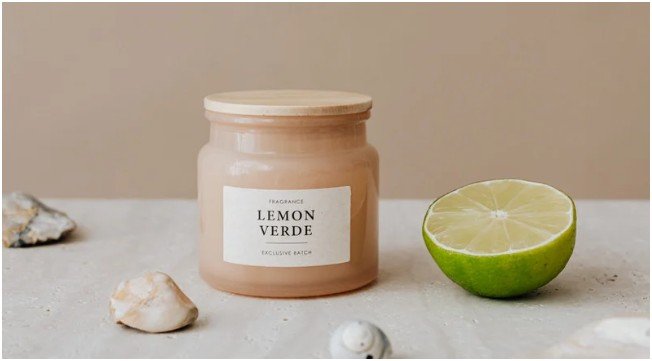
I do not use every oil every day. I match the scent to how I feel. That made the biggest difference for me because anxiety is not always the same. Sometimes it looks like tension. Sometimes it looks like overthinking. Sometimes it looks like pure exhaustion.
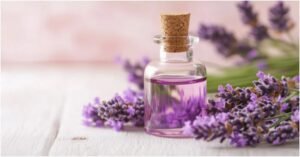
Lavender is the one I trust most. I reach for it when I feel overstimulated or restless. It is the scent I use when I want my body to get the memo that we are safe now. Bergamot is different. It feels brighter and lighter, which helps when stress starts to pull my mood down. Chamomile feels soft and comforting, especially when I feel irritable or emotionally raw.
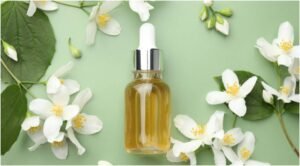
When anxiety shows up in my body, I lean toward ylang ylang, frankincense, or sandalwood. Ylang ylang feels helpful when I am tense and jittery. Frankincense makes me feel more grounded and present. Sandalwood is my evening favorite because it helps create a calm, cozy mood that fits perfectly into a bedtime routine.
When do I use these scents during a normal day?
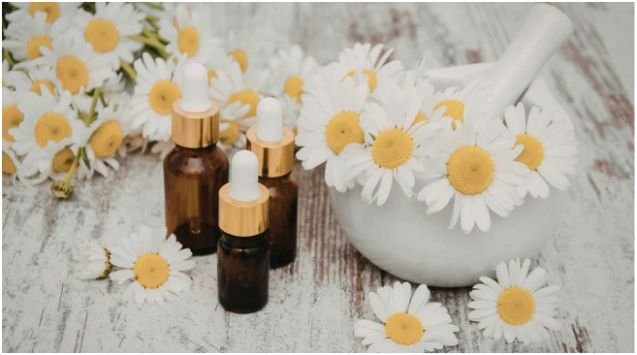
I use them in small moments, not dramatic ones. That is what makes the habit stick. I do not wait until I feel completely overwhelmed. I use scent as an early reset.
In the morning, I like something bright or balancing. If I know I have a packed day, I use bergamot or a focus blend to keep my mood steady. In the afternoon, when work stress hits or my energy dips, I usually grab a roll-on and apply it to my wrists or temples. That tiny ritual helps me pause instead of pushing through in a frazzled state.
At night, I shift into softer scents to create calm home with aromatherapy. Lavender, chamomile, and sandalwood work best for me when I want to quiet my mind. I use them while reading, taking a warm bath, or putting my phone away for the night. That scent cue helps train my brain to slow down.
What are the easiest ways to use calming scents for anxiety?
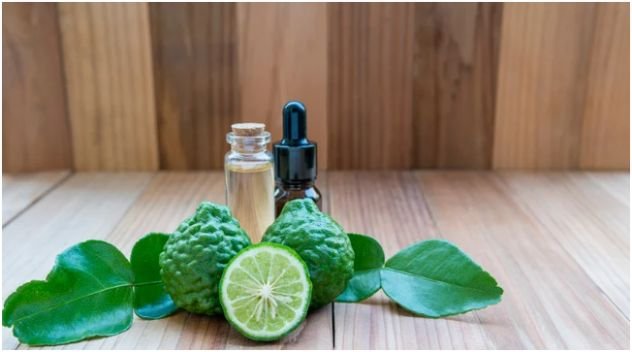
I keep things simple because complicated routines never last for me. The easiest method is direct inhalation. If I need quick relief, I open the bottle, hold it a little away from my face, and take a few slow breaths. It works well when I need a fast reset before a meeting or after a stressful moment.
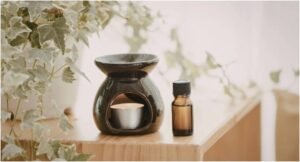
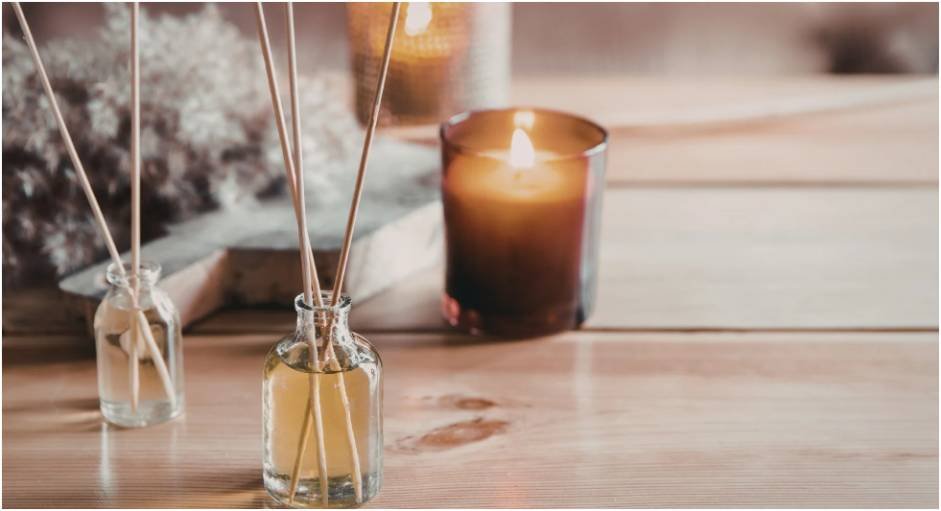
Diffusing oils is my favorite home method. I use a diffuser in my workspace or bedroom when I want a steady background effect. It changes the feeling of a room in a subtle but powerful way. My space feels softer, quieter, and less tense.
Topical use is the most practical for daily life. I dilute essential oils with a carrier oil like jojoba or coconut oil, then apply them to pulse points like my wrists, temples, or behind my ears. I also love bath rituals.
A few diluted drops in warm bath water make the whole experience feel more comforting, especially after an emotionally draining day.
How do portable roll-ons help when I am out and about?
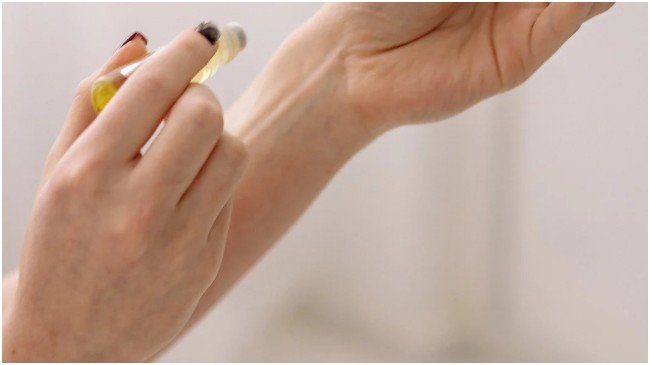
This is where things got very real for me. I can light a candle at home, sure. But anxiety does not always wait until I get home. Sometimes it shows up in traffic, at the office, while traveling, or during a busy day when I need relief now.
Portable roll-ons are perfect for that. They fit into my bag, desk drawer, or jacket pocket, and they make aromatherapy feel less precious and more practical. I just swipe one onto my wrists, temples, or neck and keep moving.
Some blends focus on panic relief, while others support focus, grounding, or better sleep later in the day. I like blends with lavender and ylang ylang when I feel emotionally overloaded. If I need to feel refreshed and less foggy, I reach for blends with peppermint or rosemary. If stress turns into body tension, I look for grounding ingredients like cedarwood, frankincense, or valerian.
Which wellness kits make daily aromatherapy easier?
When I first started, I thought I needed one perfect scent. What actually helped me more was having a few blends for different moods. That is why wellness kits make so much sense.
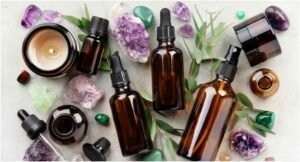
A good kit gives me options for the full day. I can use a de-stress blend when my mind starts racing, a deep focus blend during work, and a sleep blend at night. Some kits also include targeted support for tension headaches or energy dips, which makes them feel more useful in everyday life.
I also like that these kits remove guesswork. Instead of building a collection one bottle at a time, I get a small system that already covers stress relief, rest, and focus. If you enjoy more spiritual or Ayurvedic routines, there are also kits built around chakra balancing or dosha-based support, which can add a grounding ritual element to the experience.
How do I use calming scents for anxiety step by step?
First, I check in with how I actually feel. If I feel overstimulated, I choose lavender or chamomile. If I feel mentally tired and emotionally flat, I choose bergamot. If my stress feels physical, like a tight chest or shoulders, I go for grounding scents like frankincense, sandalwood, or ylang ylang.
Next, I pick the easiest method for that moment. At home, I usually diffuse the scent or add diluted oil to a bath. During the day, I use a roll-on. If I need fast relief, I inhale directly from the bottle or a tissue.
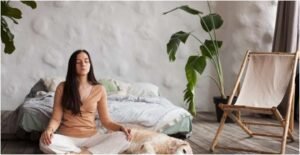
Then I pair the scent with breath. This step matters. After I apply a roll-on to my wrists, I rub them together, cup my hands over my nose, and take 10 slow breaths. If my neck or chest feels tight, I apply the oil there too. That helps me stop treating stress like background noise and actually respond to it.
I always do a patch test before using any oil on my skin. If anxiety feels chronic or intense, I treat aromatherapy as support, not the whole answer, and I check in with a healthcare professional.
What should you look for if you want products that actually help?
I pay attention to ingredients first. I prefer products with plant-based ingredients and essential oil blends that clearly list what is inside. Lavender, bergamot, chamomile, sandalwood, frankincense, cedarwood, peppermint, and rosemary are the kinds of ingredients I look for most often.
I also think about when I will use the product. For workdays, I want something portable and neat, like a roll-on. For home, I want a diffuser-friendly oil or a kit with multiple blends. For evenings, I choose warmer, softer scents that help me wind down instead of perk up.
The best product is the one you will actually use. That sounds obvious, but it is true. If it fits your bag, your routine, and your stress triggers, you are much more likely to reach for it when you need it.
Key Takeaways
| Need | Scent or Method I Reach For | Why It Helps Me |
| Fast calm | Lavender roll-on or direct inhalation | Helps me slow down quickly |
| Mood lift | Bergamot | Feels bright and emotionally lighter |
| Irritability | Chamomile | Soft, comforting, and steady |
| Physical tension | Ylang ylang or frankincense | Helps me feel grounded |
| Better bedtime wind-down | Sandalwood or sleep blend | Supports a calmer evening |
FAQs about calming scents for anxiety
1. What scent is best if I feel anxious at night?
I usually go with lavender or sandalwood at night. Both feel soothing and grounding, and they fit naturally into a bedtime routine without feeling too sharp or energizing.
2. Can I use calming scents for anxiety every day?
Yes, I do. I just keep the routine simple and pay attention to how my skin and body respond, especially if I am using oils topically.
3. Are roll-ons better than diffusers?
For me, roll-ons work better on busy days, while diffusers work better at home. It really depends on whether you want quick personal relief or a calmer room atmosphere.
4. Do calming scents replace professional help for anxiety?
No, and I would not treat them that way. I see them as a helpful support tool, especially for daily stress, but chronic anxiety deserves proper care and guidance too.
Stress less, sniff smarter
What I love about scent rituals is how doable they are. I do not need to clear an hour or create a perfect self-care moment. I can take 30 seconds, apply a roll-on, breathe deeply, and feel more like myself again.
If you have wanted a low-effort way to feel calmer, start small. Pick one scent, use it at the same time each day, and notice how your body responds.
My favorite tip is to keep one calming blend where stress usually finds you first. For me, that is my bag, my desk, and my nightstand. Small habits really do change the mood of a day.